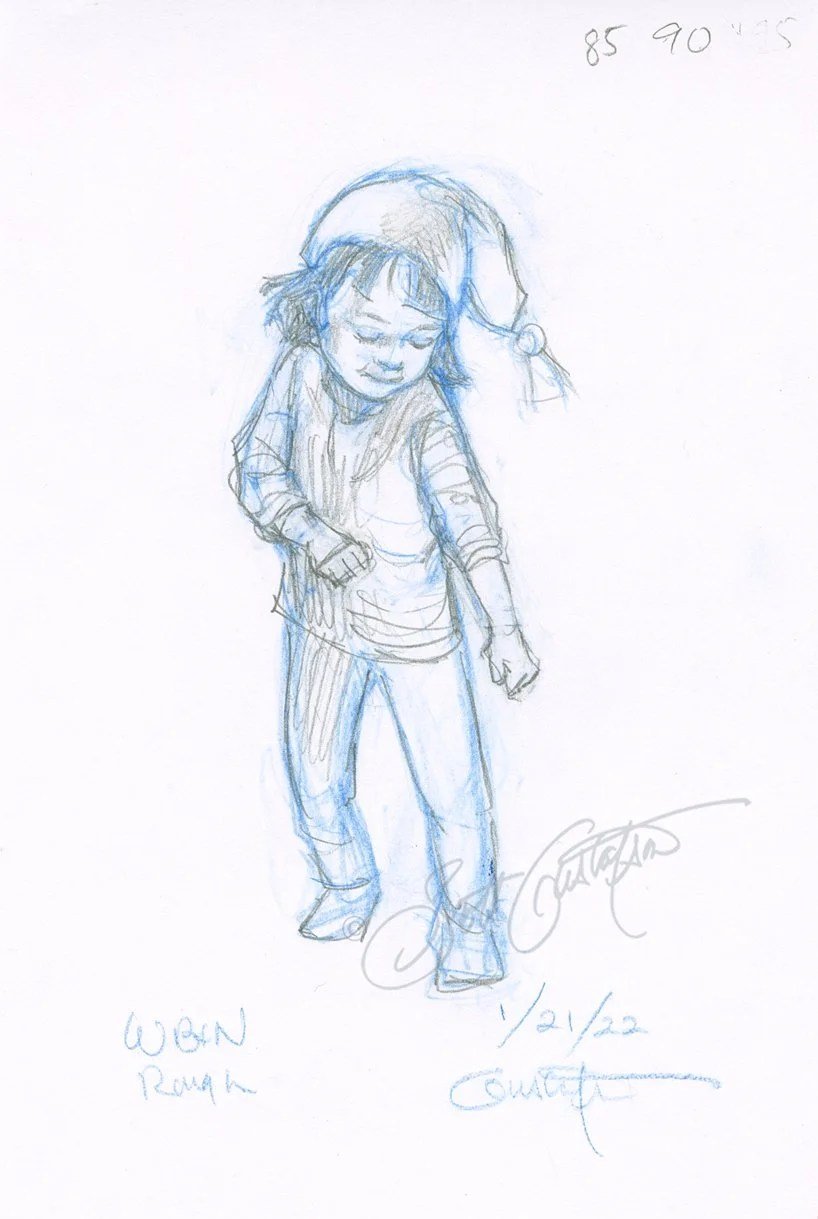
There are few children's poems that stand the test of time quite like "Wynken, Blynken, and Nod." More than 130 years after its first publication, Eugene Field's whimsical verses continue to lull generations to sleep, spark imaginations, and stir a deep sense of nostalgia. But what is it about this seemingly simple tale of three sailors in a wooden shoe that grants it such an enduring appeal for modern audiences? It's a question worth exploring, as the poem offers far more than just a sweet bedtime story; it's a testament to the power of imagination, comfort, and the timeless bond between parent and child.
At a Glance: Why This Poem Endures
- Timeless Theme: It beautifully captures the universal experience of a child falling asleep, transforming the mundane into a magical adventure.
- Imaginative Storytelling: The journey among the stars in a wooden shoe fires the imagination, creating vivid mental landscapes.
- Soothing Rhythm: Its lullaby-like cadence and gentle rhyme scheme make it a perfect bedtime ritual.
- Multigenerational Appeal: Parents and grandparents often remember it fondly from their own childhoods, creating a bridge across generations.
- Rich Cultural Legacy: Adapted into countless songs, animated shorts, and even public art, it's deeply embedded in popular culture.
The Journey Begins: A Lullaby from the Past
The tale of Wynken, Blynken, and Nod set sail into the world on March 9, 1889, penned by American writer Eugene Field. Originally titled "Dutch Lullaby," the poem paints a vivid picture: three children, personified by the very act of falling asleep, embark on a fantastical voyage. Wynken and Blynken, with their names evocative of blinking eyes, and Nod, representing a nodding head, are nestled in a wooden shoe – a charming stand-in for a trundle-bed. This imaginative transformation of a child’s drift into slumber into an epic fishing trip among the stars is nothing short of poetic genius.
Field, known for his children’s literature, understood the delicate balance between wonder and comfort that captivates young minds. The "wooden shoe" element, combined with the original title, subtly hints at a Dutch inspiration, adding a touch of international whimsy to this distinctly American classic. From its inception, the poem was designed to soothe and inspire, and it has been achieving precisely that for well over a century. If you're curious about the deeper layers of this classic, you can learn more about Wynken, Blynken, and Nod's origins and impact.
Unpacking the Poetic Magic: Why We Keep Coming Back
What makes "Wynken, Blynken, and Nod" more than just a nursery rhyme? It's a masterful blend of accessible language, enchanting imagery, and profound emotional resonance.
The Dreamlike Canvas: Imagination Unleashed
The poem’s greatest strength lies in its ability to transport us to a world where the ordinary becomes extraordinary. A child's bed transforms into a "wooden shoe," and the act of sleeping becomes a journey across a "river of misty light" to fish for "herring-fish" among the "stars." This imaginative framework offers:
- Visual Storytelling: Even without illustrations, the words conjure clear images: the vast sky, the twinkling stars, the tiny boat.
- Empowerment of Imagination: It encourages children to see the magic in everyday things, fostering creativity long after the book is closed.
- Escape and Wonder: For both children and adults, it provides a gentle escape from reality into a realm of pure, innocent fantasy.
A Symphony of Sound: The Lullaby's Cadence
Eugene Field crafted the poem with an inherent musicality. Its rhythm and rhyme scheme are deliberate, designed to be read aloud, and heard as a soothing melody.
- Gentle Meter: The consistent, flowing meter mimics the rocking of a boat or the gentle sway of a tired child.
- Repetitive Comfort: The recurring patterns in the verse offer a sense of predictability and security, ideal for calming restless minds.
- Read-Aloud Appeal: Parents often find themselves falling into a natural rhythm when reciting it, making the act of reading a shared, comforting experience. This innate musicality is a key reason so many artists have been drawn to set its lyrics to music over the years.
Universal Themes: The Heart of the Matter
Beyond the starry seas and wooden shoes, the poem taps into fundamental human experiences:
- Sleep and Dreams: It beautifully metaphors the transition from wakefulness to sleep, making the unknown less frightening and more inviting.
- Parental Love and Protection: The underlying sentiment is one of a protective, loving gaze watching over a child as they embark on their nightly adventures. The "old moon" acting as a benevolent observer reinforces this sense of security.
- The Comfort of Routine: For many families, it becomes an integral part of the bedtime routine, signaling the end of the day and the beginning of peaceful rest.
These deeply relatable themes ensure that the poem’s message resonates whether you first hear it in the late 19th century or in the digital age.
A Legacy in Sound: When Words Become Music
Perhaps one of the most powerful testaments to the poem's enduring appeal is its extensive adaptation into music. The lyrical quality of Field's verse practically begs for a melody, and countless artists have answered that call.
Ethelbert Woodbridge Nevin was quick to recognize this, setting the lyrics to music by 1890, just a year after its publication. Since then, the poem has become a staple in the musical landscape, crossing genres and generations.
Chart-Topping Lullabies
Notable recordings have cemented "Wynken, Blynken, and Nod" in popular culture:
- Dan Hornsby (1929): An early recording that helped popularize the musical version.
- Lucy and Carly Simon as the Simon Sisters (1964): Their rendition became a minor hit, reaching No. 73 on Billboard Pop singles and No. 20 in Canada. This version, in particular, introduced the poem to a new generation through folk music.
- The Doobie Brothers (1980): A more contemporary take that also charted, hitting No. 76 on Billboard Pop singles and No. 31 on Billboard Adult Contemporary. This showcases the poem's versatility, adapting to different musical styles while retaining its core charm.
Other artists, from the folk stylings of Donovan (1971) and Buffy Saint-Marie (1975) to children's entertainers like Fred Penner (1979) and Barney & Friends (1995), have lent their voices to the poem. The Irish Rovers (1969), Roger Whittaker (1975), and even the more recent, atmospheric interpretation by Valentine Wolfe (2016) further illustrate the poem's broad musical reach. These varied adaptations ensure that new listeners continue to discover and fall in love with Field’s words, often through the power of song. The accessibility of these musical versions means that the poem is heard and cherished far beyond the pages of a book.
Beyond the Page: Cultural Touchstones
The influence of "Wynken, Blynken, and Nod" extends well beyond literary and musical adaptations, weaving itself into the broader fabric of popular culture. Its presence in various artistic forms is a clear indicator of its iconic status.
Art, Animation, and Literature
- Public Art: Mabel Landrum Torrey’s "Wynken, Blynken and Nod Fountain," dedicated in Denver’s Washington Park in 1919, is a beloved landmark. Arthur Kraft also created a penguin sculpture inspired by the trio in 1960, demonstrating the poem's visual impact.
- Animated Classics: Walt Disney Productions brought the poem to life with an eight-minute animated cartoon in 1938, introducing the whimsical journey to millions of young viewers through the magic of cinema. More recently, Weston Woods Studios released another animated film based on the poem in 2007, continuing its visual legacy into the 21st century.
- Literary References: The trio appear as minor characters in Alfred Bester's seminal 1953 novel The Demolished Man, a testament to their recognition even in speculative fiction. Lou Reed, the iconic musician, even referenced them in an early version of his famous song "Satellite of Love," showing their reach into unexpected corners of the creative world.
Television and Film
The poem has also found its way into countless television shows and films, often used to evoke a sense of nostalgia or childlike wonder:
- Classic TV: Mentions in The Andy Griffith Show (1963) and Sanford and Son (1973) tap into the shared cultural knowledge of the poem.
- Pop Culture Nods: Even spy thrillers like The Man from U.N.C.L.E. (1960s) and modern dark fantasy series like Preacher (2016-2019) have referenced the trio, highlighting their pervasive presence in the collective consciousness.
- Cinematic Moments: In the 1993 film Dennis the Menace, Mrs. Wilson recites the poem, grounding the film in a comforting, familiar memory for many viewers.
These diverse adaptations and references underscore the poem's deep embedding in Western culture. It's a phrase, a concept, and a story that many instantly recognize, proving that its appeal transcends its original format. Understanding this broad impact helps us truly appreciate the multifaceted legacy of Wynken, Blynken, and Nod.
Modern Resonance: Why It Still Captivates Today
In an era saturated with digital screens, complex narratives, and fleeting trends, "Wynken, Blynken, and Nod" continues to hold a surprisingly strong grip on the hearts of modern audiences. Its simple charm acts as a refreshing counterpoint to the often-overstimulating world we inhabit.
A Beacon of Nostalgia
For many parents and grandparents, the poem isn't just a new story; it's a cherished memory from their own childhoods. Sharing "Wynken, Blynken, and Nod" with their children or grandchildren becomes a beautiful act of passing down a tradition, forging an emotional connection across generations. This nostalgic pull is incredibly powerful, transforming the reading experience into a shared heritage. It reminds adults of simpler times and offers children a tangible link to their family's past.
An Introduction to Classic Literature
While seemingly straightforward, "Wynken, Blynken, and Nod" serves as an excellent first step into the world of classic literature. Its rich vocabulary (words like "misty light," "herring-fish," "trundle-bed" expand a child’s lexicon), poetic structure, and enduring themes introduce young readers to the beauty and power of well-crafted language in an accessible way. It teaches them that words can create worlds, evoke emotions, and tell stories that live on for centuries. This foundational experience can spark a lifelong love for reading and poetry.
A Counterpoint to Digital Overload
In a world increasingly dominated by tablets, smartphones, and animated content, the poem offers a vital, low-tech alternative. It encourages:
- Mindful Engagement: Reading or listening to the poem demands attention and active imagination, rather than passive consumption.
- Quiet Reflection: It fosters a calm, peaceful atmosphere, perfect for unwinding at the end of a busy day.
- Simple Joy: The unadorned beauty of the language and the gentleness of the story provide a pure, uncomplicated form of entertainment and comfort.
This deliberate step away from screens allows for a different kind of engagement, one that nourishes the imagination in a unique way. It's a reminder that some of the most profound experiences come from the simplest forms of storytelling.
The Bedtime Ritual: An Unwavering Anchor
For many families, the poem remains an irreplaceable part of the bedtime ritual. The soft rhythm, the calming imagery, and the familiar narrative create a sense of security and predictability that helps children transition from the day's excitement to peaceful sleep. This consistent ritual is crucial for a child's development, offering emotional stability and fostering a deep sense of connection between parent and child. It’s a moment of quiet togetherness, a final embrace of the imagination before drifting off to dreamland. If you're looking for ways to enhance your family's bedtime routine, exploring the many musical versions of Wynken, Blynken, and Nod can add a fresh dimension.
Bringing the Magic Home: Sharing "Wynken, Blynken, and Nod" with Your Family
You don't need to be a literary scholar or a musician to bring the enduring magic of "Wynken, Blynken, and Nod" into your home. Here's how you can make this timeless poem a beloved part of your family's life:
1. The Art of Reading Aloud
There's a special joy in hearing the poem read aloud. Here are a few tips to maximize the experience:
- Embrace the Rhythm: Let the natural cadence of the poem guide your voice. Read it slowly, allowing the words to flow like a gentle current.
- Vary Your Tone: Whisper when the "stars are out" and use a slightly more animated voice for the "fishing" action, but always maintain a soothing quality.
- Point to Illustrations (if available): If you have an illustrated edition, use the pictures to deepen engagement, but also encourage your child to imagine their own visuals.
- Make Eye Contact: Connect with your child, especially during the more comforting lines, to reinforce the emotional warmth of the story.
2. Explore the Musical Tapestry
With so many musical adaptations, there's a version for every family's taste.
- Start with the Classics: Introduce your children to the Simon Sisters' folk rendition or the Doobie Brothers' soft rock take.
- Discover Children's Artists: Look for versions by Fred Penner or Joanie Bartels, often found on children's music albums.
- Create a Playlist: Curate a playlist of different versions to expose your family to the poem's versatility and find your personal favorites. Listening to the poem set to music can offer a new appreciation for its lyrical structure.
3. Creative Play and Engagement
Don't just read it – live it!
- Draw the Scene: Encourage your child to draw Wynken, Blynken, and Nod in their wooden shoe, fishing among the stars. What kind of "herring-fish" do they catch?
- Act It Out: Use a laundry basket or a large box as the "wooden shoe" and pretend to sail. You can even use blankets for the "misty light" and flashlights for stars.
- Stargazing: On a clear night, step outside and point out the stars, connecting the real sky to the poem's fantastical journey. Talk about what it might be like to sail among them.
4. Seek Out Adaptations
Introduce your family to the broader cultural footprint of the poem:
- Watch the Disney Short: Find the 1938 Walt Disney Productions animated short to see a classic interpretation come to life.
- Visit the Fountain: If you're ever in Denver, visit the "Wynken, Blynken and Nod Fountain" in Washington Park for a tangible connection to the poem's legacy.
- Read Related Works: Explore other lullabies and imaginative poems by Eugene Field or other classic children's authors.
By actively engaging with the poem in these various ways, you're not just reading a story; you're creating cherished family memories and fostering a love for literature, imagination, and shared cultural experiences. Remember, the journey into the "sky's a-sail" is always better when shared. Dive deeper into the poem's legacy and significance by exploring comprehensive resources on Wynken, Blynken, and Nod.
Common Questions and Misconceptions About the Poem
Over the decades, some questions and popular interpretations have arisen around "Wynken, Blynken, and Nod." Let's clarify a few:
Is it a real Dutch lullaby?
No, while Eugene Field originally titled it "Dutch Lullaby" and the "wooden shoe" suggests a Dutch connection, the poem itself was written by an American author. It's an original work by Field, inspired by the folklore aesthetic, rather than a direct translation of a traditional Dutch lullaby.
What do Wynken, Blynken, and Nod symbolize?
The poem is a beautiful allegory for a child falling asleep. Wynken and Blynken represent the child's blinking eyes, slowly closing, while Nod symbolizes the head nodding off as sleep takes over. The wooden shoe is the child's trundle-bed, and the "misty light" river and "stars" are the dream world or the gentle transition into slumber.
Is the poem primarily for children?
While written as a children's poem and serving as an excellent lullaby, its enduring appeal extends to adults due to its nostalgic quality, poetic beauty, and universal themes of comfort, imagination, and the bittersweet nature of watching a child grow. Many adults revisit it for its soothing rhythm and evocative imagery.
Why is it still popular today?
Its simplicity, timeless themes, soothing cadence, and dreamlike imagery resonate across generations. In an increasingly complex world, the poem offers a gentle, imaginative escape and a powerful link to shared childhood experiences, making it a beloved choice for bedtime routines and a touchstone of cultural memory.
Set Sail with Imagination: The Lasting Voyage
"Wynken, Blynken, and Nod" is far more than a simple children's poem; it's a cultural touchstone, a lullaby woven into the fabric of generations, and a testament to the enduring power of imagination. From its humble origins as a "Dutch Lullaby" to its widespread musical adaptations, artistic interpretations, and appearances in popular culture, Eugene Field's creation continues to captivate hearts and minds.
In a fast-paced, screen-dominated world, the poem offers a precious oasis of calm, a gentle invitation to dream, and a comforting reminder of the magic inherent in the transition from wakefulness to sleep. Its ability to transport both children and adults to a fantastical realm where a wooden shoe sails among the stars is a powerful antidote to modern anxieties.
So, the next time you find yourself with a child ready for bed, or simply seeking a moment of quiet reflection, pick up "Wynken, Blynken, and Nod." Let its timeless verses carry you and your loved ones on a gentle voyage, reminding you of the boundless wonders of the imagination and the enduring comfort of a good story. Discover more about this beloved classic and its profound impact by visiting our comprehensive guide to Wynken, Blynken, and Nod. May your own journey among the stars be ever peaceful.