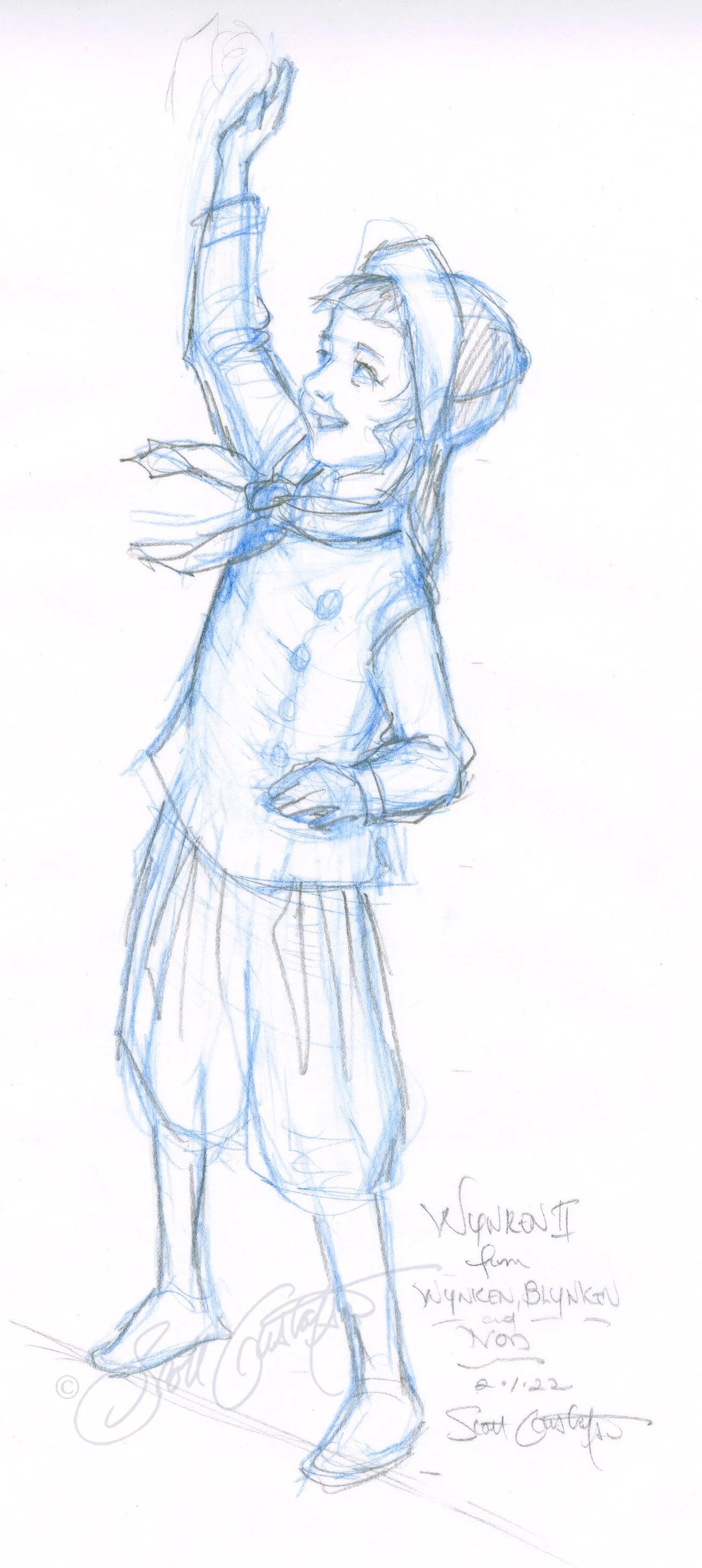
A hushed whisper, a rocking rhythm, a journey to a dreamland fashioned from starlight and a wooden shoe – for generations, Eugene Field's "Wynken, Blynken, and Nod" has enchanted children and adults alike. But beyond its gentle cadence and whimsical imagery, this beloved lullaby holds layers of deeper meaning. If you’ve ever found yourself pondering the hidden messages within this seemingly simple poem, you’re on the right path to unlocking the profound Symbolism and Themes in 'Wynken, Blynken, and Nod'.
Far from being mere nursery rhyme fluff, Field’s masterpiece is a testament to the power of imagination, the comfort of parental love, and the tender transition from waking to the world of dreams. Let's embark on our own voyage across the "sea of dew" to discover the secrets this timeless poem cradles within its lines.
At a Glance: Unpacking the Lullaby's Core Meanings
Before we dive deep, here's a quick cheat sheet to the poem's most significant symbolic elements:
- Wynken: Represents one of a child's eyes.
- Blynken: Represents the other of a child's eyes.
- Nod: Symbolizes the child's sleepy head.
- The Wooden Shoe: The humble trundle-bed, gently rocked.
- The "River of Crystal Light" / "Sea of Dew": The magical, liminal space of sleep and dreams.
- "Herring Fish" (Stars): The glimmering stars of the night sky, caught in the nets of dreams.
- Overarching Themes: Childhood imagination, comfort, security, parental love, the transition to sleep.
The Whispers Before Sleep: Eugene Field's Masterpiece Takes Form
To truly appreciate the rich tapestry of "Wynken, Blynken, and Nod," it helps to understand its origins and the heart behind its creation. Eugene Field, affectionately known as the "Poet of Childhood," first gifted this poem to the world on March 9, 1889, in the Chicago Daily News. Initially titled "Dutch Lullaby," it quickly captured hearts, later finding its place in his 1889 collection, A Little Book of Western Verse.
Field, born in St. Louis, Missouri, in 1850, crafted this enchanting verse in Chicago in 1888. His inspiration was deeply personal: his own family life, the rich traditions of Dutch nursery rhymes, and a heartfelt desire to entertain his three young sons at bedtime. It wasn't just a poem; it was an act of paternal love, designed to soothe and transport his children into slumber. Understanding Eugene Field’s life and legacy reveals how profoundly his own experiences shaped his iconic works.
This context is vital because it anchors the poem in genuine human emotion and a universal experience: the bedtime ritual. It sets the stage for a journey not just for children, but for any reader willing to rediscover the gentle magic of sleep and imagination.
Unveiling the Characters: Who Are Wynken, Blynken, and Nod, Really?
The genius of Field's poem lies in its deceptively simple narrative. Three fishermen—Wynken, Blynken, and Nod—sail a wooden shoe into a magical sea. On the surface, it's a whimsical tale. Dig deeper, and you find a masterful use of symbolism that transforms the mundane into the magical, creating a vivid metaphor for a child drifting off to sleep.
Wynken & Blynken: The Watchful Eyes
These two names, playfully alliterative and perfectly paired, are revealed to represent a child's two eyes. Think about it: as a child grows sleepy, their eyes might "wink" or "blink" before finally closing. Field captures this delicate, almost involuntary process of eyelids growing heavy. Wynken and Blynken are the last vestiges of the waking world, slowly surrendering to sleep. Their "fishing" for stars is the last, flickering engagement with reality before dreams take over.
Nod: The Heavy Head
And then there's Nod, the final member of the trio. Nod, as the name itself suggests, embodies the child's little head, gently nodding off. It’s the ultimate sign of profound sleepiness, the head drooping as consciousness slips away. Together, Wynken, Blynken, and Nod form a complete, drowsy child, personified into characters embarking on a shared adventure. This subtle personification makes the process of falling asleep a grand, active event rather than a passive one.
The Wooden Shoe: A Cradle of Dreams
The vessel for this fantastical journey is not a grand ship, but a humble "wooden shoe." This is perhaps one of the most poignant symbols in the poem. The ground truth research confirms it represents the child’s trundle-bed, rocked by a mother. Imagine a small, cozy bed, perhaps with wooden rails, gently swaying as a loving parent eases their child into slumber. The wooden shoe isn't just a mode of transport; it's a symbol of security, comfort, and the nurturing presence that surrounds the child as they enter the dream world. It’s a space both humble and profound, echoing the safety of a mother's arms.
The "River of Crystal Light" and "Sea of Dew": The Landscape of Dreams
The environment the trio sails through is equally symbolic. They journey across a "river of crystal light" into a "sea of dew." These ethereal descriptions paint a picture of a space that is neither fully real nor entirely fantastical. It’s the transitional, liminal realm between wakefulness and deep sleep. The "crystal light" suggests clarity and purity, perhaps the fading light of day or the soft glow of a nightlight. The "sea of dew" evokes the freshness and softness of dawn, but here it represents the fluid, shimmering, and often ephemeral nature of dreams themselves. It’s a beautiful, gentle landscape, devoid of fear or danger, perfectly suited for a child's imagination.
"Herring Fish": Catching the Stars
As fishermen, Wynken, Blynken, and Nod cast "nets of silver and gold" to catch "herring fish." But these aren't ordinary fish; they are the stars of the night sky, twinkling and shimmering. This symbolic act transforms the celestial expanse into a playful fishing ground. It suggests that in dreams, anything is possible – even reaching up and capturing the very stars. It’s a metaphor for the boundless nature of a child's imagination, where the ordinary world gives way to extraordinary possibilities. The silver and gold nets speak to the preciousness of these dream-catches, and the inherent magic found in the night sky.
Journey to Dreamland: Decoding the Poem's Core Themes
Beyond the individual symbols, "Wynken, Blynken, and Nod" weaves together several profound themes that resonate with readers of all ages. These themes are universal, touching upon fundamental aspects of childhood and the parent-child bond.
Childhood Innocence and Unbound Imagination
At its heart, the poem is a celebration of childhood innocence and the boundless power of imagination. Children, unburdened by the cynicism of adulthood, can effortlessly transform a simple bed into a sailing vessel and stars into fish. Field captures this magical ability, inviting readers to momentarily shed their adult constraints and re-enter a world where wonder reigns supreme. The fantastical voyage is a testament to the internal world of a child, rich with stories and adventures waiting to unfold. For a deeper understanding of symbolism in children's literature, this poem is a prime example of how everyday objects gain new meaning.
Comfort and Security: The Lullaby's Embrace
The poem’s very form—a lullaby—underscores its central theme of comfort and security. The rhythmic meter and consistent rhyme scheme create a soothing, rocking sensation, mirroring the gentle sway of a parent rocking a child to sleep. The mother's presence, though not explicitly stated beyond her role in rocking the bed, is palpable throughout. The entire narrative functions as a comforting embrace, assuring the child that even as they drift away from consciousness, they are safe and loved.
The Threshold of Sleep: A Gentle Transition
One of the poem's most powerful themes is the delicate transition from the waking world to the realm of sleep. It acknowledges the mild resistance or gradual surrender a child experiences at bedtime. By personifying the eyes and head, Field makes this transition an active, beautiful journey rather than a simple cessation of activity. The "river of crystal light" and "sea of dew" are perfect metaphors for this liminal space, where reality blurs and dreams begin to form. It transforms the act of falling asleep into an exciting, albeit peaceful, adventure.
Parental Love and Nurturing Care
While not overtly stated, the undercurrent of parental love flows through every stanza. Field’s own inspiration—his desire to soothe his sons—imbues the poem with a tender, protective quality. The act of reading or singing this lullaby itself is an expression of care. The imagery of the wooden shoe as a "trundle-bed rocked by a mother" explicitly connects the fantastical journey back to the very real, loving actions of a parent. It is a poem born of love, designed to convey love, and experienced as an act of love. This makes it a perfect example of the role of lullabies in childhood development in fostering connection and emotional security.
The Wonder of the Night Sky
Beyond the internal journey, the poem also instills a sense of wonder for the external world, particularly the night sky. The stars, transformed into "herring fish," become accessible and playful, demystifying the vast, dark expanse above. This theme subtly encourages children to look up, to imagine, and to find magic in the natural world, even as they close their eyes.
Field's Poetic Toolkit: Literary Devices at Play
Eugene Field was a master craftsman, and "Wynken, Blynken, and Nod" showcases his skill in employing various literary devices to achieve its unique effect. These techniques are not just decorative; they are integral to the poem's ability to soothe, captivate, and convey its deeper meanings. If you're looking for a deeper dive into literary devices in poetry, this poem provides a wealth of examples.
Alliteration: The Sound of Sleepiness
Field uses alliteration—the repetition of initial consonant sounds—to great effect, most notably in the names "Wynken, Blynken, and Nod." This creates a memorable, almost chant-like quality that is perfect for a lullaby. The soft "w" and "b" sounds, followed by the gentle "n," contribute to the overall soothing rhythm. Other examples, like "sea of dew," further enhance the auditory texture of the poem, making it a pleasure to read aloud.
Personification: Giving Life to the Unseen
Personification, giving human qualities to inanimate objects or abstract ideas, is central to the poem's charm. The moon doesn't just shine; it "laughed and sang as they caught the fish." This lively depiction of the moon adds a whimsical, friendly touch to the nocturnal scene, making the night less intimidating and more inviting. The eyes and head are also personified as distinct characters, making the act of falling asleep an engaging narrative.
Sensory Imagery: A Feast for the Imagination
Field's use of vivid sensory imagery is what truly transports the reader. We can see the "river of crystal light" and the "sea of dew." We can almost feel the rocking of the wooden shoe and hear the moon's gentle laughter. The "nets of silver and gold" shimmer in our mind's eye. This rich tapestry of sights and sounds engages the reader's senses, making the imaginary world of the poem feel tangible and real, even as it describes the ephemeral nature of dreams.
Rhyme Scheme and Meter: The Rocking Rhythm
The poem is structured in four 12-line stanzas with a consistent rhyme scheme and meter. This consistent, predictable rhythm is crucial for a lullaby. It creates a soothing, almost hypnotic effect, much like the rhythmic rocking of a cradle or a parent's gentle sway. The predictable flow provides a sense of security and calm, perfectly aligning with the poem's themes of comfort and the journey to sleep. The structured deeper dive into the poem's structure reveals the intricate design behind its simplicity.
Metaphor: The Extended Dream Voyage
The entire poem functions as an extended metaphor for the experience of falling asleep. The fishing voyage, the characters, the landscape—all are metaphorical representations of a child's transition into slumber. This overarching metaphor allows Field to explore a complex, internal process (falling asleep) through a simple, engaging external narrative.
More Than a Lullaby: The Enduring Impact and Legacy
"Wynken, Blynken, and Nod" didn't just fade after its initial publication; it blossomed into a cultural touchstone. Its universal appeal and enchanting imagery have ensured its place in the literary canon and beyond. To truly Explore Wynken Blynken and Nod, you must acknowledge its profound impact across various forms of media and culture.
Cultural Resonance: From Page to Stage and Screen
The poem's popularity soared, making it a staple in 20th-century American school anthologies. Its evocative imagery made it a favorite for illustrators, most famously by Maxfield Parrish in the 1904 edition of Poems of Childhood, solidifying its visual identity for generations.
Musical adaptations have introduced the poem to new audiences. Leigh Harline's score for the 1938 Walt Disney Silly Symphony short brought the tale to animated life. Later, the Simon Sisters (1964), The Doobie Brothers (1980), Joanie Bartels (1994), and Amanda Palmer (2016) all lent their voices to the verses, showcasing its enduring melodic quality.
Beyond music, the poem has graced the screen in Disney's 1938 short film and a memorable 1975 Sesame Street segment. Theatrical adaptations have ranged from 1970s puppet shows to a 2018 non-verbal play for toddlers and the 2023 production Wink for young children, demonstrating its adaptability and timeless narrative appeal. It has even been referenced in other media, from Warner Bros. animations to the 2014 animated miniseries Over the Garden Wall, proving its deep embedding in popular culture.
Physical Tributes: Cementing a Legacy
The poem's beloved status is further immortalized in physical tributes. A beautiful bronze sculpture by Mabel Landrum Torrey, commissioned in 1918 and dedicated in 1919, stands in Washington Park, Denver. In Chicago, where Field composed the poem, the Eugene Field Memorial was dedicated in Lincoln Park in 1926. Institutions like the Eugene Field House & St. Louis Toy Museum meticulously preserve his legacy, while libraries such as the Eugene Field Branch of the Denver Public Library bear his name. These tributes underscore the profound impact this "Poet of Childhood" had, and continues to have, on American culture.
Beyond the Surface: Common Interpretations and Misconceptions
Like many enduring works of art, "Wynken, Blynken, and Nod" has been subject to various interpretations, some straying from Field's clear intent. Addressing these helps deepen our understanding and appreciation.
Is it only about bedtime? The Broader Appeal of Imagination
While the poem is explicitly a lullaby and metaphor for falling asleep, its themes extend beyond the literal act of bedtime. It's also a powerful celebration of imagination itself, the ability to transform the mundane into the magical. This universal appeal means it can be enjoyed at any time, not just as a prelude to sleep. It reminds us that the human spirit, especially in childhood, thrives on wonder and creative storytelling.
Are the characters just eyes and a head, or something more? The Beauty of Symbolic Flexibility
Field himself clarified the symbolism of Wynken, Blynken, and Nod as eyes and a head, and the wooden shoe as a trundle-bed. However, the beauty of poetry lies in its ability to evoke personal resonance. Some might see the trio as representations of three children, or perhaps even facets of a single child's playful spirit. While respecting the author's intent is important, the poem's power to spark individual interpretations is a testament to its richness. The core message of comfort and imagination remains, regardless of the precise character identities.
The "Darker" Interpretations: Is it a Metaphor for Death?
Occasionally, some readers might interpret the "sailing away" into an ethereal "sea of dew" as a metaphor for death or the journey to the afterlife. This interpretation, while understandable given the imagery of departure and the unknown, largely misses Eugene Field's explicit and loving intent. Field created this poem as a soothing bedtime verse for his young sons, firmly rooted in Dutch lullaby traditions and designed to bring comfort, not sorrow. His identity as the "Poet of Childhood" and the context of its creation as a "Dutch Lullaby" strongly suggest a focus on the gentle transition to sleep and dreams, an entirely natural and comforting part of life. While literature can sometimes hold darker undertones, in this case, the context strongly points to a tender, life-affirming journey into the realm of childhood dreams.
Bringing the Magic Home: How to Share "Wynken, Blynken, and Nod" Today
The true power of "Wynken, Blynken, and Nod" lies in its continued sharing. Here's how to ensure its magic shines for new generations:
Reading Aloud Tips: Embrace the Rhythm
When reading the poem aloud, lean into its natural rhythm. Let the words rock and sway. Emphasize the alliteration and the gentle flow of the lines. There’s no need to rush; let the sounds themselves create the soothing atmosphere. Feel the lullaby in your own voice, and your listeners will too. Don’t be afraid to slow down for phrases like "silver and gold" or "sea of dew" to let the imagery sink in.
Encouraging Imagination: What Do Your Eyes and Head Dream Of?
After reading, gently prompt discussion. "What do you think Wynken, Blynken, and Nod saw on their journey?" or "If your bed could sail, where would it go?" Encourage children to connect the poem's symbols to their own experiences: "When your eyes get sleepy, do you feel like Wynken and Blynken?" This helps them personalize the poem's meaning and fosters their own imaginative world-building.
Connecting with the Themes: Comfort, Love, and Wonder
Use the poem as a springboard to talk about bedtime as a comforting, safe time. Reinforce the message of parental love and security. Point out the wonder of the night sky—the real stars outside—and connect them to the "herring fish" in the poem. This helps weave the poem's magical themes into everyday life, making it more than just a story, but a shared experience of warmth and imagination.
The Undiminished Glow of a Timeless Classic
"Wynken, Blynken, and Nod" stands as a luminous example of how a simple children's poem can encapsulate profound truths about childhood, imagination, and the universal experience of love. Eugene Field, through his masterful use of symbolism and literary craftsmanship, didn't just write a poem; he created a portal to a dream world, a comforting embrace, and a lasting legacy.
The poem’s enduring popularity, its myriad adaptations, and its place in our collective consciousness speak volumes about its ability to touch the human spirit. It reminds us that the simplest stories can hold the deepest meanings, and that sometimes, the greatest adventures begin when we close our eyes and allow our imaginations to set sail. So, the next time you encounter Wynken, Blynken, and Nod, remember the intricate dance of symbols and themes that makes this lullaby truly shine, forever guiding us gently into the sea of dew. For an even deeper dive into the poem's structure and nuances, further exploration awaits.