From a tranquil trundle-bed to the boundless sea of dreams, Eugene Field’s enchanting poem, "Wynken, Blynken, and Nod," has journeyed through generations, leaving an indelible mark on culture. Its enduring charm and profound cultural impact and adaptations of 'Wynken, Blynken, and Nod' reveal a story far richer than a simple lullaby. This isn't just a poem; it's a testament to the power of imagination, a soothing balm for bedtime fears, and a vibrant canvas for artists across various mediums.
At a Glance: The Enduring Magic of a Lullaby
- A Bedtime Classic: Penned by Eugene Field in 1888, the poem originally served as a lullaby for his own children, quickly becoming a cherished piece of American literature.
- Literary Brilliance: Field masterfully uses poetic devices like alliteration, vivid imagery, and a soothing meter to create a captivating and comforting narrative.
- Musical Legacy: The poem has inspired countless musical adaptations, from classical settings to folk hits and even heavy metal renditions, proving its lyrical versatility.
- Visual Wonders: Artists and animators, including Disney and Maxfield Parrish, have brought the whimsical voyage of the three fishermen to life through stunning illustrations and films.
- Public Tributes: Sculptures, museums, and educational institutions stand as enduring testaments to the poem's cultural significance and Eugene Field's legacy.
- Universal Appeal: Its themes of wonder, safety, and parental reassurance resonate across time, making it a beloved staple for families worldwide.
The Dream Weaver: Eugene Field's Poetic Genesis
Imagine Chicago in 1888. A weary journalist, Eugene Field, known affectionately as the "Poet of Childhood," sits down to compose a bedtime story for his three young sons, Melvin, Eugene Jr., and Frederick. This intimate moment of fatherly love birthed "Dutch Lullaby," a poem that would soon be retitled "Wynken, Blynken, and Nod" and become one of America's most beloved children's verses. Field, whose career saw him contributing to newspapers in St. Louis, Kansas City, Denver (Denver Tribune), and Chicago (Chicago Daily News), often peppered his columns with these whimsical creations, weaving poetry into the fabric of everyday life.
First gracing the pages of the Chicago Daily News on March 9, 1889, the poem quickly captivated readers. Its original title hinted at Dutch folklore, a subtle nod to the imagery of the wooden shoe. However, the subsequent renaming to "Wynken, Blynken, and Nod" solidified its identity as a quintessential children's lullaby, giving voice to the trio of dream-voyagers. Field's genius lay in his ability to transform the mundane act of going to sleep into an extraordinary adventure, cloaked in metaphor. The wooden shoe, a trundle-bed; the fishermen, a child's eyes and head; the stars, herring fish in a sea of dew—it's a masterful blend of the fantastical and the familiar, designed to ease a child into slumber. If you're curious to dive deeper into its origins, you can explore All about Wynken Blynken and Nod.
Field's craftsmanship is evident in every stanza. He employed poetic devices with a light, deft touch, ensuring the verse flowed like a gentle rocking motion. Alliteration, like "nets of silver and gold," dances on the tongue, while personification breathes life into the moon, which "laughed and sang a song." The vivid imagery—a "river of crystal light" and a "sea of dew"—paints a serene landscape where dreams unfold. Structurally, the poem is a marvel: four stanzas, each twelve lines long, with a consistent rhyme scheme that builds and resolves, creating a predictable yet engaging rhythm. The alternating iambic tetrameter and trimeter further contribute to its soothing, rocking cadence, perfectly reinforcing themes of wonder, safety, and parental reassurance. It’s no wonder that Eugene Field's enduring legacy rests heavily on such beautifully crafted verses.
Beyond the Page: Musical Journeys of a Lullaby
A poem so inherently musical was destined to be sung. Within a year of its publication, by 1890, composer Ethelbert Woodbridge Nevin had already set "Wynken, Blynken, and Nod" to music, recognizing its innate lyrical quality and comforting rhythm. This was just the beginning of a rich tradition of musical adaptations that would span genres and generations, showcasing the poem's incredible versatility.
One of the most notable adaptations came in 1964 from the folk duo Lucy Simon and her sister, Carly, performing as the Simon Sisters. Their rendition resonated widely, even becoming a minor hit, charting at No. 73 on Billboard Pop singles and No. 20 in Canada. The gentle harmonies and simple instrumentation perfectly captured the poem's serene spirit, introducing it to a new cohort of listeners. Later, the legendary rock band The Doobie Brothers contributed their own version to the 1980 compilation album In Harmony, which also found success, reaching No. 76 on Billboard Pop singles and No. 31 on the Billboard Adult Contemporary chart. These mainstream successes underscored the poem's broad appeal, proving it could transcend the nursery and find a place in popular music.
The journey didn't stop there. Over the decades, a diverse array of artists have offered their interpretations, each adding a unique flavor to Field's timeless words. Early recordings include Dan Hornsby's 1929 take, while the folk revival saw versions from David Gude (1961) and Donovan (1971), whose distinctive vocal style added an ethereal quality. Buffy Sainte-Marie offered her rendition in 1975, followed by children's music artist Joanie Bartels in 1985 and again in 1994, solidifying its place in children's music canons. More recently, the poem has seen surprisingly innovative adaptations, such as Amanda Palmer's haunting rendition in 2016, and even a heavy metal interpretation by Valentine Wolfe, also in 2016. These diverse musical interpretations of classic children's poems highlight how the poem's core themes of wonder and transition to sleep can be explored through vastly different sonic landscapes. Regardless of the genre, the inherent rhythm and evocative imagery of the poem consistently lend themselves to compelling musical experiences, reinforcing the enduring power of children's lullabies to soothe and inspire.
A Canvas of Imagination: Visual & Media Adaptations
The vivid imagery woven into "Wynken, Blynken, and Nod" naturally lends itself to visual interpretation, sparking the imaginations of illustrators and animators for over a century. One of the most iconic collaborations occurred in 1904 when the legendary artist Maxfield Parrish brought the poem to life in an edition of Field's Poems of Childhood. Parrish's distinctive style, characterized by luminous colors, intricate details, and fantastical elements, perfectly captured the whimsical journey of the three fishermen, shaping how generations imagined the wooden shoe sailing through the starry sky. His illustrations remain definitive, influencing countless subsequent visual adaptations.
Beyond Parrish, other talented illustrators have offered their unique perspectives. Johanna Westerman's 1995 illustrations and David McPhail's 2004 artwork are just two examples of how artists continue to reimagine the poem, ensuring its visual legacy evolves while retaining its dreamlike quality. These visual storytelling in children's literature not only captivate young readers but also deepen their connection to Field's poetic world.
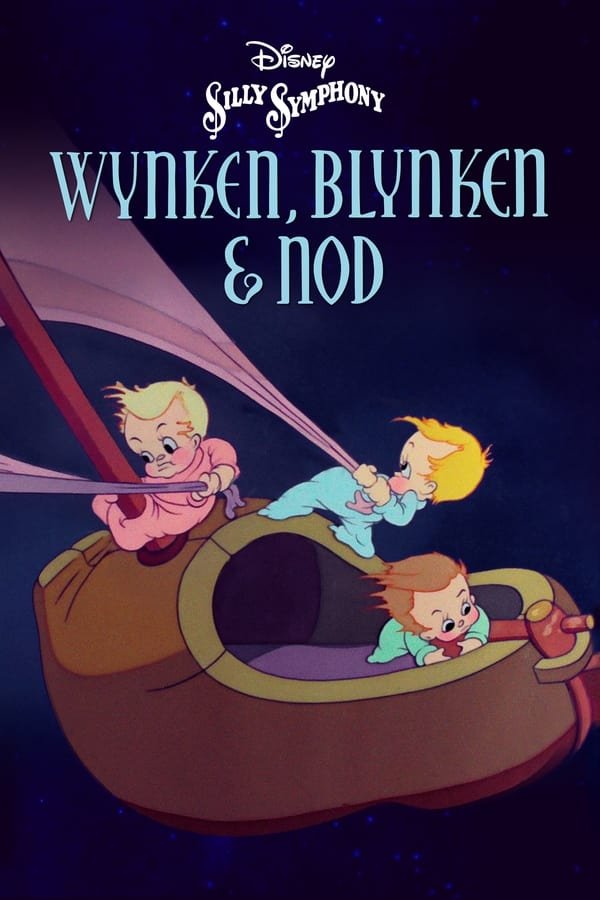
The poem's appeal extends far beyond the printed page into the realm of animation. Walt Disney Productions, masters of turning imagination into moving pictures, released an eight-minute animated Silly Symphony short film titled "Wynken, Blynken, and Nod" in 1938. This adaptation brought the wooden shoe and its celestial crew to vibrant life, immersing viewers in the magic of the starlit voyage with Disney's signature charm and animation prowess. Decades later, Weston Woods Studios, renowned for their animated adaptations of children's books, released another animated film based on the poem in 2007, continuing its visual journey for contemporary audiences.
The cultural footprint of "Wynken, Blynken, and Nod" also appears across various media, sometimes subtly, sometimes overtly. Children's television programs, like a memorable 1975 segment on Sesame Street, have used the poem to educate and entertain. Theatrical productions, such as the New York City Children's Theater's 2018 staging and Spellbound Theatre's 2023 performance, have transformed the lullaby into immersive live experiences. Its influence has even seeped into broader popular culture, with allusions and references appearing in Warner Bros. animations ("The Merry Old Soul," 1935), Alfred Bester's science fiction novel The Demolished Man (1953), an episode of The Andy Griffith Show (1963), the 1993 film Dennis the Menace, and the beautifully atmospheric animated miniseries Over the Garden Wall (2014). Each reference is a testament to the poem's deep embedding in the cultural consciousness, a familiar touchstone for creators seeking to evoke nostalgia, wonder, or dreamlike states.
Lasting Tributes: Sculptures, Schools, and Sanctuaries
The profound impact of "Wynken, Blynken, and Nod" and its creator, Eugene Field, is not confined to books, music, or screens; it has been cast in bronze, etched in stone, and enshrined in institutions. These physical tributes serve as tangible reminders of the poem's lasting legacy and its beloved place in American culture.
One of the most iconic tributes is the bronze sculpture by Mabel Landrum Torrey, dedicated in 1919 in Washington Park, Denver. This charming fountain depicts Wynken, Blynken, and Nod in their wooden shoe, forever sailing through a gentle cascade of water. It's a serene and playful monument that perfectly captures the poem's spirit, becoming a cherished landmark for generations of Denverites. In Chicago's Lincoln Park, the 1926 Eugene Field Memorial by Edward McCartan features "The Dream Lady" and thoughtfully includes a stanza from "Wynken, Blynken, and Nod" inscribed on its base. These public artworks not only beautify their surroundings but also serve as perpetual celebrations of Field's contributions to childhood literature.
Beyond statues, Eugene Field's boyhood home in St. Louis has been preserved as the Eugene Field House & St. Louis Toy Museum. This special place safeguards artifacts related to his life and legacy, offering visitors a glimpse into the world that shaped the "Poet of Childhood." It's a sanctuary for literary enthusiasts and a treasure trove for anyone interested in the history of children's literature and play.
The influence of Field and his most famous poem extends even to the names of educational and civic institutions. Libraries and schools across the United States proudly bear his name, such as the Eugene Field Branch of the Denver Public Library and Eugene Field Elementary School in Oklahoma City. These institutions often feature the poem prominently, ensuring that new generations of children are introduced to the magic of Wynken, Blynken, and Nod as part of their learning journey. These naming conventions are more than just honorary; they embed the poem and its values of imagination and wonder into the daily lives of communities, demonstrating its pervasive and cherished role.
Why It Still Charms: The Enduring Appeal
What is it about "Wynken, Blynken, and Nod" that allows it to maintain such a powerful hold on our collective imagination, even over 130 years after its first publication? The answer lies in a confluence of brilliant craftsmanship, universal themes, and an adaptability that defies time.
At its heart, the poem addresses the universal human experience of transitioning from wakefulness to sleep. For children, this can often be a moment of anxiety or fear of the unknown. Field masterfully transforms this transition into a whimsical adventure, assuring the child of safety and wonder. The revelation that the fishermen are the child's own eyes and head, rocked in a trundle-bed by a loving mother, anchors the fantasy in comforting reality. This blend of escapism and reassurance is a powerful recipe for a lullaby, providing both comfort and a gentle nudge into dreams.
Field's poetic mastery is undeniable. The language is simple enough for a child to grasp, yet rich enough to engage adults. His use of rhythm, rhyme, and evocative imagery creates a sensory experience that transports the listener or reader to a calm, starlit sea. It’s a beautifully constructed piece of literature that uses its form to reinforce its function, creating a soothing, almost hypnotic effect. The words themselves become a gentle rocking motion, preparing the mind for rest.
Perhaps most significantly, the poem's enduring charm comes from its remarkable versatility in adaptation. From the solemn notes of classical music to the energetic strums of folk guitars, from the timeless strokes of Maxfield Parrish to the dynamic animation of Disney, and even into the surprising depths of heavy metal, "Wynken, Blynken, and Nod" proves itself a chameleon. Each adaptation brings the poem to a new audience, a new generation, in a fresh and engaging way, without sacrificing the core essence of Field’s original vision. This continuous reinterpretation ensures its relevance, allowing families to connect with the poem through the mediums that resonate most with them, whether it's a worn picture book, a streaming musical track, or a theatrical performance. It’s a literary touchstone that continually finds new ways to charm, comforting new generations as they drift off to sleep.
Bringing Wynken, Blynken, and Nod to New Ears (and Eyes)
For parents, educators, and anyone looking to share a piece of timeless wonder, introducing "Wynken, Blynken, and Nod" is a delightful experience. Its rich history and diverse adaptations mean there are countless ways to engage with this enchanting poem, ensuring its magic continues for generations to come.
Start with the words themselves. Reading the poem aloud, perhaps with a soft, rhythmic cadence, can be a calming bedtime ritual. Encourage children to imagine the scenes described: the crystal river, the sea of dew, the silvery nets. Ask them what they picture the "herring fish" to be before revealing they are stars. This simple act of shared reading fosters imagination and a love for language.
Next, explore the world of adaptations. Seek out illustrated versions of the poem; Maxfield Parrish's iconic work is a fantastic starting point, but newer illustrators also offer fresh perspectives. Watching the Walt Disney Silly Symphony or the Weston Woods animated film can bring the story to life in a dynamic way, offering a visual journey that complements the text.
Don't forget the music! Introducing children to the various musical settings—from the gentle folk tunes of Lucy Simon to perhaps a more contemporary take—can be a wonderful way to explore different genres while reinforcing the poem's themes. You might even encourage them to create their own simple melody for a stanza or draw their own wooden shoe.
"Wynken, Blynken, and Nod" is more than just a poem; it's an invitation to dream, to imagine, and to feel safe and loved. By engaging with its words, art, and music, you're not just sharing a classic; you're fostering a connection to the enduring power of storytelling and the quiet reassurance that even when we close our eyes, the greatest adventures often begin.