The soft hum that quiets a restless child, the gentle melody that ushers in sleep – it’s a universal ritual, timeless and profoundly human. Undertaking a Comparative Analysis with Other Classic Children's Lullabies from across the globe reveals not just diverse cultures, but a surprising unity in our shared human experience. These aren't just simple songs; they are powerful capsules of love, protection, and dreams, passed down through generations.
At a Glance: What Lullabies Teach Us
- Near-Universal Comfort: While specific repertoires aren't strictly universal, the act of singing to soothe children is present in almost all human societies.
- Shared Core Themes: Across continents, lullabies whisper similar messages of safety, love, nature's beauty, and the wonder of dreams.
- Diverse Expressions, Common Purpose: From intricate harmonies to simple chants, musical and lyrical styles vary widely, yet all aim to calm, connect, and nurture.
- Beyond Sleep: Lullabies are crucial developmental tools, fostering language, emotional regulation, and deep attachment bonds.
- Cultural Pillars: They are living archives, transmitting heritage, values, and even historical narratives from one generation to the next.
The Global Embrace of Lullabies: More Than Just a Song
When we talk about lullabies, our minds might conjure images of "Twinkle, Twinkle, Little Star" or "Rock-a-bye Baby." But the scope of these soothing songs is far wider, stretching across every inhabited continent and countless languages. A fascinating ethnographic review by HRAF (Human Relations Area Files) sheds light on just how pervasive this practice is.
The study, "Lullabies and Universality: An Ethnographic Review," found that if you define lullabies strictly as a "culturally conserved repertoire of songs sung to soothe infants," then they are not universal. Many cultures don't have a fixed set of specific "lullabies." However, when defined more broadly as "any type of singing used to soothe children," lullabies emerged as a near-universal phenomenon, present in a staggering 96.8% of societies examined. This tells us something profound: the human need to vocally comfort a child is almost instinctual.
This broader definition allows us to appreciate the rich tapestry of lullabies. From the rhythmic chanting of Indigenous communities to the melodious serenades of European folk traditions, the act of singing to a child is a fundamental expression of care and connection.
The Tapestry of Themes: What Lullabies Whisper Worldwide
Despite geographical distances and linguistic barriers, the common threads woven into the fabric of classic children's lullabies are striking. They often address fundamental human experiences and hopes for the child.
Whispers of Safety and Protection
A primary concern for any parent is their child's safety, and lullabies frequently serve as sonic shields. They assure the child that they are guarded, either by the parent's presence or by benevolent forces.
Consider the unsettling imagery of the English "Rock-a-bye Baby," where the cradle falls from a treetop. While seemingly alarming, many interpret it as a metaphor for a mother's vigilance, protecting her child even from imagined dangers, or perhaps a reflection of a time when dangers were ever-present. In stark contrast, some Japanese komori-uta (lullabies) might speak of a mother going out to work, leaving the child, but the underlying message is still one of the child being cared for and awaited, emphasizing their secure place within the family unit. These songs, in their diverse narratives, cement the child’s sense of security in the world.
The Unconditional Language of Love and Affection
Perhaps the most universal theme in any comparative analysis with other classic children's lullabies is the outpouring of love. Lullabies are often direct declarations of affection, tenderness, and hope for the child's future.
The Spanish "Duérmete mi Niño" ("Sleep, my child") is a gentle plea, often accompanied by endearing terms like mi amor (my love) or mi cielo (my heaven). Similarly, the French "Fais dodo, Colas mon p'tit frère" (Sleep, sleep, Colas my little brother) is steeped in a mother's tender care, coaxing her child to sleep with promises and soft words. These songs, regardless of their origin, build an emotional bridge between caregiver and child, strengthening their bond through vocalized endearment.
Nature's Gentle Embrace: Stars, Moon, and Lullabies
Nature often features prominently in lullabies, used as a backdrop for dreams, a source of comfort, or even a symbolic protector. The vastness of the cosmos or the familiarity of earthly creatures frequently populate these bedtime narratives.
"Twinkle, Twinkle, Little Star," a global phenomenon, marvels at the distant light, inviting wonder and peaceful contemplation. In Polish tradition, "Ach Śpij Kochanie" (Oh Sleep, My Darling) often includes imagery of birds singing softly, flowers closing, and the moon watching over, painting a serene natural scene that envelops the sleeping child. These natural elements help create a sense of peace and belonging within the larger world.
Journeys into Dreams and Imagination
Lullabies are inherently about the transition from wakefulness to sleep, a journey often depicted as an adventure into dreams and imagination. They often encourage the child to embrace the realm of sleep as a place of wonder.
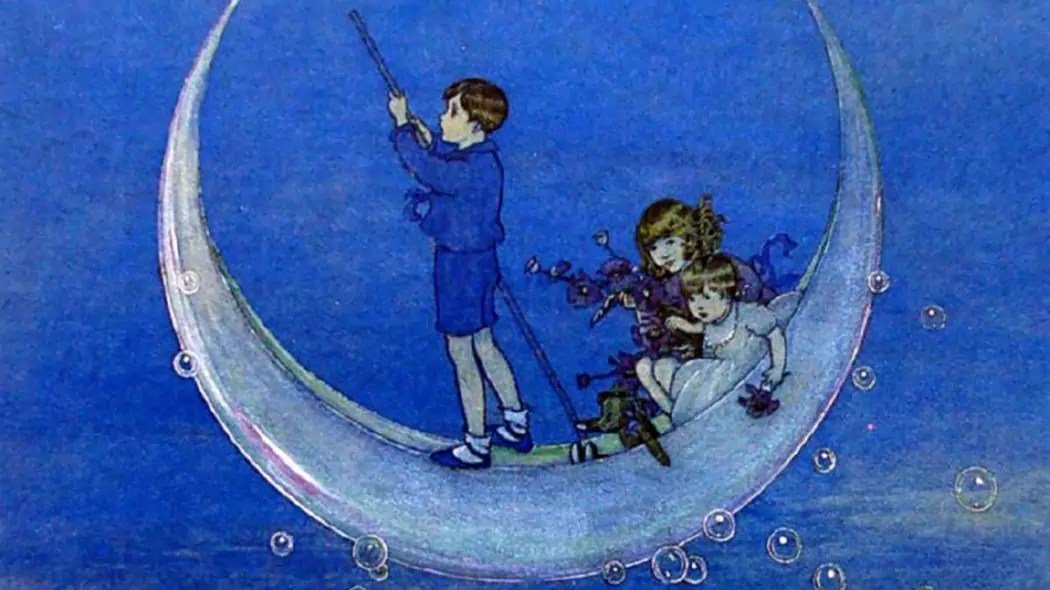
A beautiful example of this theme is the American classic Explore Wynken, Blynken, and Nod. This poetic lullaby transforms three children into fishermen sailing a wooden shoe across a starlit sky, fishing for herring in a silver stream. It’s a vivid invitation to dream, blending reality with fantastical elements to make the act of falling asleep an enchanting experience. Many lullabies globally use similar imaginative metaphors to guide children gently into the dreamworld.
The Mundane and the Magical: Everyday Life Woven with Myth
Sometimes, lullabies blend the everyday realities of life with magical or mythical elements, providing comfort through familiar settings while hinting at a world beyond. They can speak of daily chores, family members, or even local folklore figures.
For instance, a traditional Irish lullaby might mention the daily tasks of the mother or father, grounding the child in their immediate world, while also perhaps invoking mythical fairies or blessings. These songs often reflect the cultural context in which they were created, offering a glimpse into the values and beliefs of a community, all while gently soothing a child to sleep.
Lyrical & Musical Architectures: A Symphony of Solace
Beyond their thematic content, the very structure of lullabies—their lyrics and music—plays a crucial role in their soothing power. While styles vary, underlying principles often remain consistent.
The Rhythmic Cradle: Pulsing Peace
Most lullabies share a characteristic rhythm: slow, repetitive, and often mimicking the gentle rocking motion of a cradle or a heartbeat. This consistent, predictable pulse is inherently calming, providing a sense of security and regulating the child's own breathing and heart rate. Simple meters, often 3/4 or 4/4 time, are common, providing a stable foundation for the melody. This predictability is a key reason why they're so effective.
Melodic Whispers: Gentle Arcs and Comforting Harmonies
The melodies of lullabies are typically simple, often within a narrow vocal range, and easy to sing. They tend to have smooth, stepwise motion rather than large, jarring leaps, contributing to their tranquil effect. Many cultures utilize pentatonic scales (five-note scales), which naturally sound harmonious and comforting, devoid of tension. The overall harmonic structure is usually straightforward, reinforcing the feeling of peace and resolution. Whether it's the mournful beauty of an Irish Gaelic lullaby or the bright simplicity of a Korean one, the melodic contours are designed to lead the listener into a state of relaxation.
Poetic Simplicity: Words that Soothe
Lullaby lyrics, regardless of language, often feature repetition, simple vocabulary, and evocative imagery. Repetition helps children anticipate the next line, creating a sense of predictability and security. Alliteration and assonance are common, making the words flow smoothly and enhancing the lyrical quality. Sometimes, the words might not make literal sense, serving more as a string of soothing sounds than a complex narrative. The focus is on the overall sound and emotional resonance rather than intricate storytelling.
The Undeniable Impact: More Than Just Sleep Inducers
The benefits of lullabies extend far beyond simply helping a child fall asleep. They are powerful tools for development, bonding, and cultural transmission.
Cultivating Emotional Regulation
Lullabies help children learn to self-regulate their emotions. The calming presence of a caregiver's voice, combined with the gentle music, teaches a child to move from a state of distress or high energy to one of calm and relaxation. This early experience with emotional soothing lays the groundwork for later self-soothing behaviors.
Fostering Language and Cognitive Development
Exposure to lullabies, rich in rhythm, rhyme, and simple narratives, significantly aids in language acquisition. Children pick up on speech patterns, learn new words, and develop an ear for the phonetics of their native language. The predictable structure also helps in developing memory and pattern recognition skills, crucial cognitive abilities.
Building Bonds of Attachment
The act of singing a lullaby is an intimate, nurturing interaction. It's a moment of focused attention, physical closeness, and emotional connection between caregiver and child. This consistent, positive interaction strengthens the attachment bond, fostering a sense of security and trust that is vital for healthy development. This shared experience creates enduring emotional memories.
Passing Down Cultural Heritage
Lullabies are living oral traditions. They transmit cultural values, beliefs, and even historical narratives from one generation to the next. A child hearing a lullaby from their culture is not just hearing a song; they are being connected to their ancestors, their community, and their identity. They embody the collective memory and hopes of a people.
Navigating Misconceptions: What Lullabies Aren't
Despite their apparent simplicity, lullabies are often misunderstood. Dispelling common myths helps us appreciate their true depth and function.
Myth: All Lullabies are Sweet and Happy
Reality: While many lullabies are indeed saccharine, a comparative analysis with other classic children's lullabies reveals a darker, more complex side in some traditions. Some lullabies contain warnings about dangers (like the "boogeyman" or wolves), express the hardships of daily life (poverty, longing for a parent), or even lament historical struggles. These aren't meant to scare, but to reflect the realities of the world, often giving voice to the caregiver's anxieties while still delivering comfort. They acknowledge the complexities of life while providing solace.
Myth: Lullabies are Only for Babies
Reality: While primarily associated with infants, the soothing qualities of lullabies resonate with people of all ages. Many adults find comfort, nostalgia, and relaxation in listening to or singing lullabies. The simple melodies and comforting themes can be a source of calm for anyone experiencing stress or seeking a moment of peace. They tap into a primal need for comfort that transcends age.
Myth: Every Culture has a Strict, Prescribed Lullaby Repertoire
Reality: As the HRAF study highlighted, this isn't true for most cultures. While some cultures do have specific, well-known lullabies passed down, many societies rely on caregivers improvising songs, humming, or simply using any gentle singing to soothe their children. The act of vocal comfort is universal, more so than a fixed list of songs. This flexibility means that what constitutes a "lullaby" can be very fluid and personal.
Bringing Lullabies Home: Practical Approaches for Modern Parents
Understanding the rich history and cultural significance of lullabies empowers us to incorporate them meaningfully into our own lives. You don't need a perfect singing voice or a degree in musicology to harness their power.
Choosing Your Lullaby: Connection Over Perfection
When selecting a lullaby, prioritize personal connection. Choose songs that resonate with you, perhaps from your own childhood, or ones that simply feel good to sing. The emotional sincerity behind your voice is far more important than vocal perfection. Don't feel bound by tradition; if a pop song or a hymn brings you comfort, it can be a lullaby too, as long as it's sung with love and gentleness.
Creating Your Own: A Personal Melody of Love
Don't shy away from inventing your own lullabies. Simple, repetitive melodies with lyrics that speak directly to your child, incorporating their name, daily events, or your hopes for them, can be incredibly powerful. These personalized songs become unique anchors of love and security. Even a simple hum or a made-up tune can serve the purpose perfectly.
Exploring the World of Lullabies: Cultural Enrichment
Seek out lullabies from other cultures. This not only expands your repertoire of soothing sounds but also offers a beautiful way to introduce your child to global diversity and musical traditions. Many online resources and children's music albums feature lullabies from around the world, opening a window into different expressions of universal love.
Beyond Singing: The Essence of Soothing
Remember, the essence of a lullaby isn't just the song, but the soothing intention behind it. If singing isn't comfortable, gentle humming, rhythmic patting, or even simply speaking softly and lovingly can convey the same comfort and connection. The human voice, used with intention, is a powerful tool for peace.
The Enduring Power of a Sung Story
The journey through a comparative analysis with other classic children's lullabies is a testament to the shared human experience of parenthood and childhood. These simple, yet profound, songs are far more than just melodies to induce sleep. They are cultural touchstones, developmental aids, and timeless expressions of love, protection, and hope.
As you navigate the beautiful chaos of raising children, remember the enduring power of a lullaby. Whether it's a centuries-old tune passed down through your family or a simple melody you improvise in the moment, the act of singing to your child is a profound connection, weaving a thread of comfort and security that will echo in their hearts long after the song has faded into sleep. Embrace this tradition, explore its global variations, and create your own sung stories – for in them lies a universal language of love.